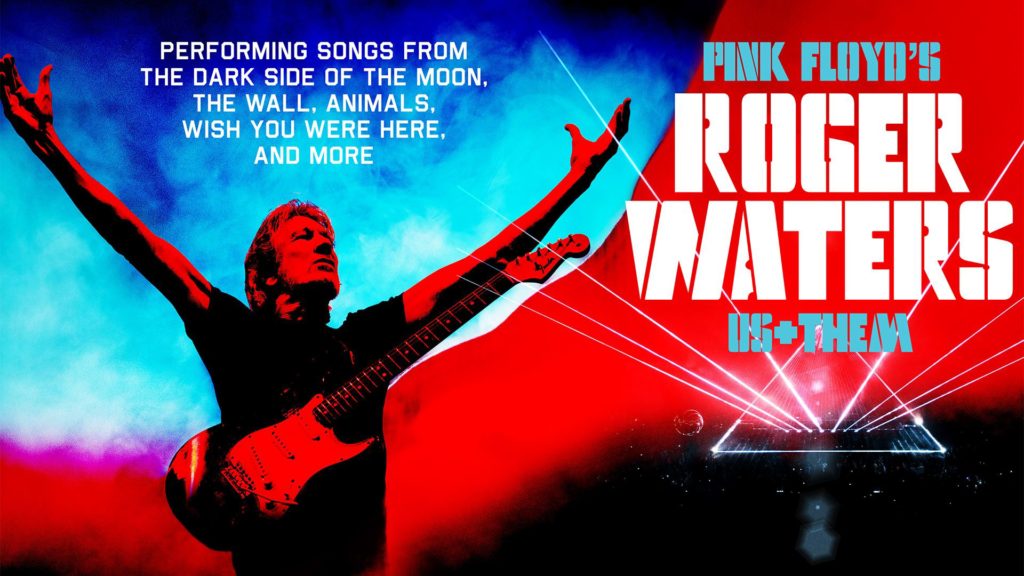
 After 63 sold out shows in the U.S. and Canada in 2017, we are excited to announce further shows for 2018
New Dates Added 12/12/17 !! (New Additions In Red)
January 24th – Spark Arena, Auckland, New Zealand
January 26th – Spark Arena, Auckland, New Zealand
January 30th – Forsyth Barr Stadium, Dunedin, New Zealand
February 2nd – Qudos Bank Arena, Sydney Olympic Park, Nsw, Australia
February 3rd – Qudos Bank Arena, Sydney Olympic Park, Nsw, Australia
February 6th – Brisbane Entertainment Centre, Boondall, Qld, Australia
February 7th – Brisbane Entertainment Centre, Boondall, Qld, Australia
February 10th – Rod Laver Arena, Melbourne, Vic, Australia
February 11th – Rod Laver Arena, Melbourne, Vic, Australia
February 16th – Adelaine Entertainment Centre, Hindmarsh, Sa, Australia
February 20th – Perth Arena, Perth, Wa, Australia
April 13th – Palau Sant Jordi, Barcelona, Spain
April 14th – Palau Sant Jordi, Barcelona, Spain
April 17th – Mediolandum Forum Di Assago, Milan, Italy
April 18th – Mediolanum Forum Di Assago, Milan, Italy
April 21st – Unipol Arena, Bologna, Italy
April 22nd – Unipol Arena, Bologna, Italy
April 24th – Unipol Arena, Bologna, Italy
April 25th – Unipol Arena, Bologna, Italy
April 27th – O2 Arena, Prague, Czech Republic
April 28th – O2 Arena, Prague, Czech Republic
May 2nd – Papp Laszlo Budapest Sportarena, Budapest, Hungary
May 4th – Arena Armeec, Sofia, Bulgaria
May 6th – Arena Zagreb, Zagreb, Croatia
May 9th – Halle Tony Garnier, Lyon, France
May 11th – Sportpaleis, Antwerp, Belgium
May 14th – Barclaycard Arena, Hamburg, Germany
May 16th – Stadhalle, Vienna, Austria
May 20th – Meo Arena, Lisbon, Portugal
May 21st – Meo Arena, Lisbon, Portugal
May 24th – Wizink Center, Madrid, Spain
May 25th – Wizink Center, Madrid, Spain
May 28th – Hallenstadion, Zurich, Switzerland
May 29th – Hallenstadion, Zurich, Switzerland
June 1st – Mercedes-Benz Arena, Berlin, Germany
June 2nd – Mercedes-Benz Arena, Berlin, Germany
June 4th – Sap Arena, Mannheim, Germany
June 8th – U Arena De Nanterre, La Defense, Paris, France
June 11th – Lanxess Arena, Cologne, Germany
June 13th – Olympiahalle, Munich, Germany
June 16th – Stade Pierre Mauoroy, Villeneuve D’Ascq, Lille, France
June 18th – Ziggo Dome, Amsterdam, The Netherlands
June 19th – Ziggo Dome, Amsterdam, The Netherlands
June 22nd – Ziggo Dome, Amsterdam, The Netherlands
June 23rd – Ziggo Dome, Amsterdam, The Netherlands
June 26th – 3Arena, Dublin, Ireland
June 27th – 3Arena, Dublin, Ireland
June 29th – SSE Hydro, Glasgow, Scotland
June 30th – SSE Hydro, Glasgow, Scotland
July 2nd – Echo Arena, Liverpool, England
July 3rd – Manchester Arena, Manchester, England
July 6th – Hyde Park, London, England (Barclays Festival)
July 7th – Birmingham Arena, Birmingham, England
June 8th – U Arena De Nanterre, La Defense, Paris
June 9th – U Arena De Nanterre, La Defense, Paris
July 11th – Mura Storiche, Lucca, Italy (Lucca Summer Festival)
July 14th – Circo Massimo, Rome, Italy (Rock In Roma 2018)
August 3rd – Tauron Arena Krakow, Krakow, Poland
August 5th – Ergo Arena, Gdansk, Poland
August 7th – Jyske Bank Boxen, Herning, Denmark
August 10th – Royal Arena, Copenhagen, Denmark
August 11th – Royal Arena, Copenhagen, Denmark
August 14th – Telenor Arena, Oslo, Norway
August 15th – Telenor Arena, Oslo, Norway
August 18th – Friends Arena, Stockholm, Sweden
August 21st – Hartwell Arena, Helsinki, Finland
August 24th – Arena Riga, Riga, Latvia
August 26th – Zalgaria Arena, Kanuas, Lithuania
August 29th – Skk Arena, St Petersburg, Russia
August 31st – Olympiski, Moscow, Russia
October 9th – Allianz Parque, Sao Paulo, Brazil
October 13th – Estadio Nacional Mane Garricha, Brasillia, Brazil
October 17th – Itaipava Arena Fonte Nova, Salvador, Brazil
October 21st – Estadio Do Mineirao, Belo Horizonte, Brazil
October 24th – Estadio Do Maracana, Rio De Janeiro, Brazil
October 27th – Estadio Couto Pereira, Curitiba, Brazil
October 30th – Estadio Beira-Rio, Porto Alegre, Rio Grande Do Sul, Brazil
November 3rd – Estadio Centenario, Montevideo, Uruguay
November 6th – Estadio Unico De La Plata, Buenos Aires, Argentina
November 14th – Estadio Nacional. Santiago Chile
November 17th – Lima, Peru (TBD)
Our 2018 Tour Zone will be open for business very shortly !!
 It’s the final weeks of the current exhibition titled,
  From all of us at
  Written by
 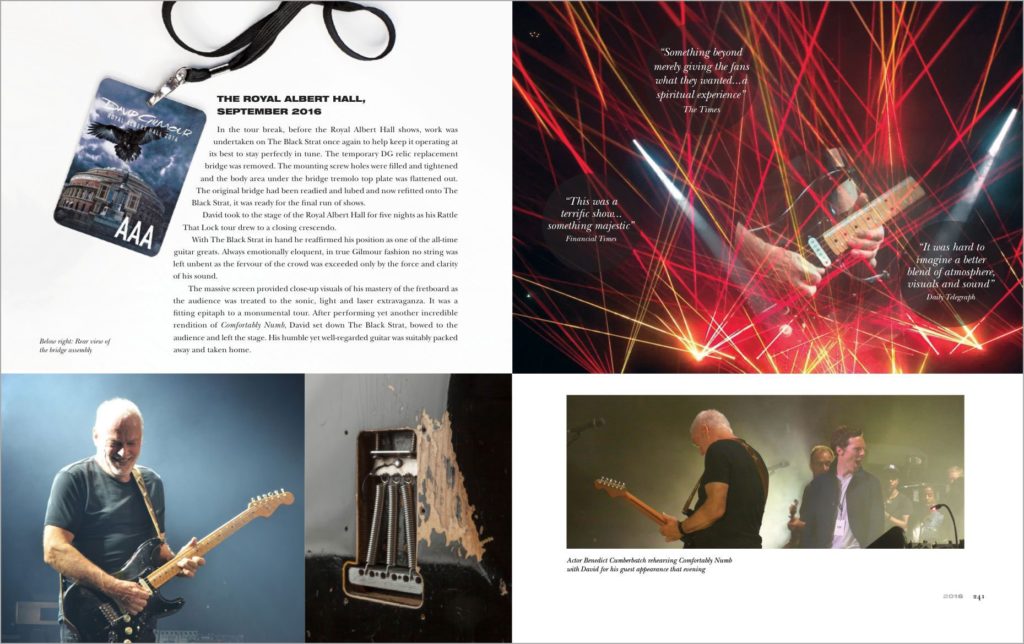 The Black Strat
 Long term Pink Floyd and Roger Waters collaborator’s
 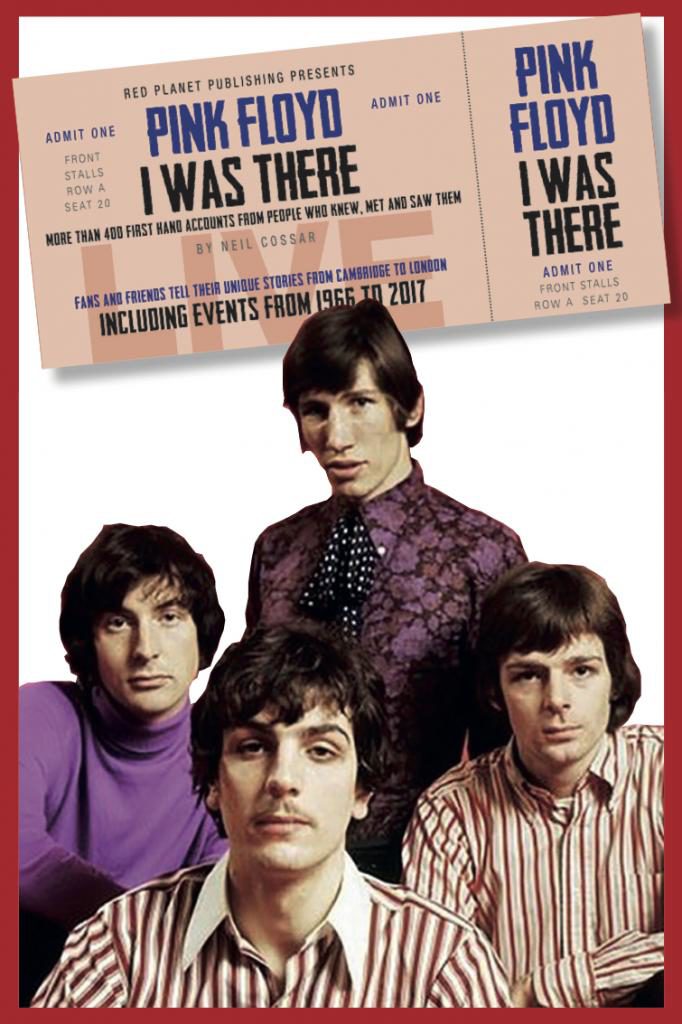 A book containing over 350 fan memories of seeing
 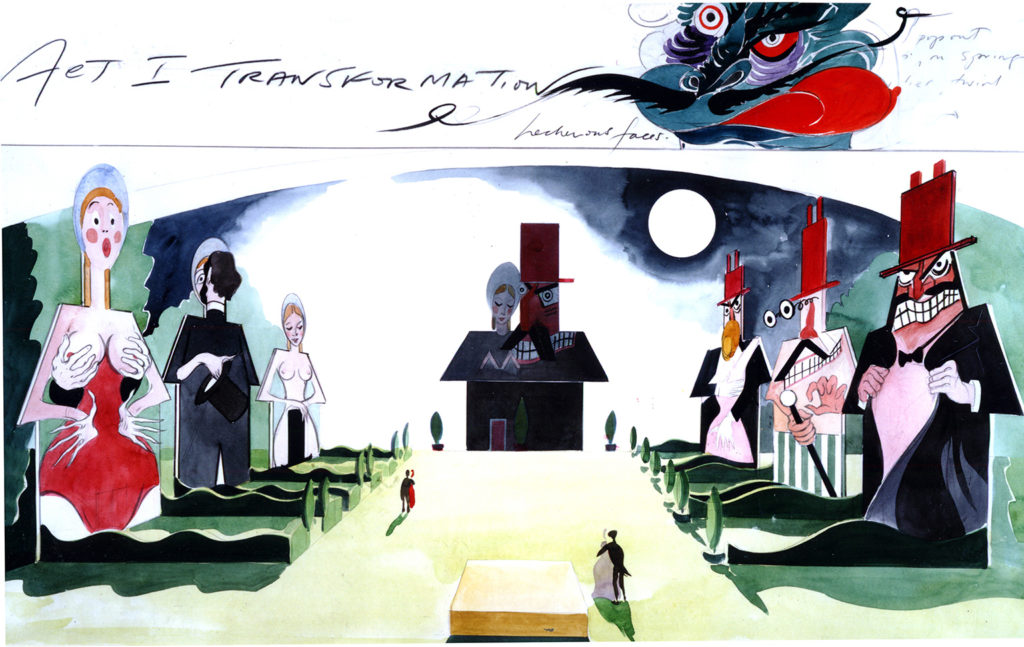 You’re likely to recognise the satirical cartoons of