Me & Pink Floyd


Me & Pink Floyd

Mark Blake is the author of Pigs Might Fly: The Inside Story Of Pink Floyd. He is a former Assistant Editor of Q, the UK's biggest selling music mag, currently Editor-in-Chief of Q and Mojo's special edition titles, and has edited two definitive music books, Dylan: Visions, Portraits And Back Pages and Punk: The Whole Story.

Mark occasionally sounds off on BBC Radio 2, 6 Music and other radio stations, whenever they let him. He has written this article exclusively for A Fleeting Glimpse.


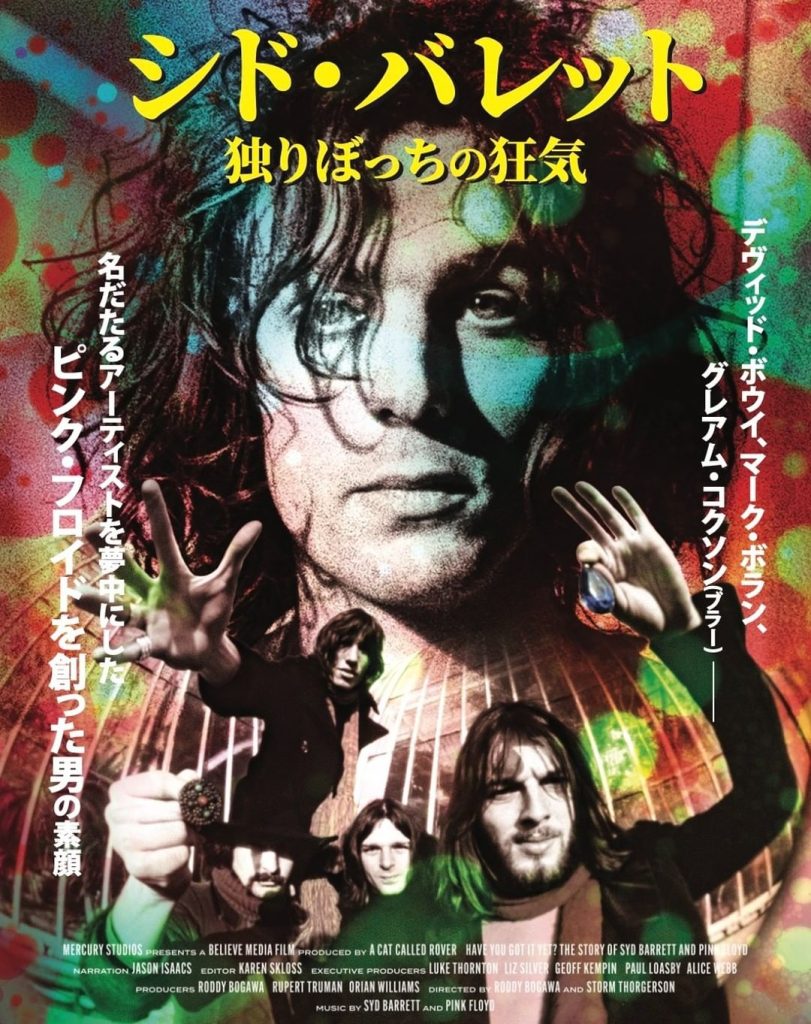
Most so-called music journalists (and what a dreadful job title that is) are snobs. This is why many of them, even the ones that weren't born in 1967, will tell you that the only good Pink Floyd album is The Piper At The Gates Of Dawn. With these people, it's always "Syd Barrett this..." and Syd Barrett that...", followed by the inevitable sneer at any mention of Dark Side Of The Moon or, heaven forbid, The Wall.

I've never felt that like. But since I've written a book (Pigs Might Fly: The Inside Story Of Pink Floyd, available to buy in all good... blah, blah, blah), lots of people have asked me if I like Floyd's music, or if I was just writing the book to make a quick buck. Firstly, the bucks aren't that quick or that plentiful (although my wife now has her eye on a new kitchen). Secondly, I'd have found it impossible to write a 418-page book about a band whose music I didn't like. So, while I was initially surprised by the question, I soon remembered what most music journalists are like. The answer then is: yes, I like Pink Floyd's music. Very much. However, the 1980s was a terrible decade in which to be a Floyd fan, and that's the decade in which I grew up. I had some bad experiences back then...

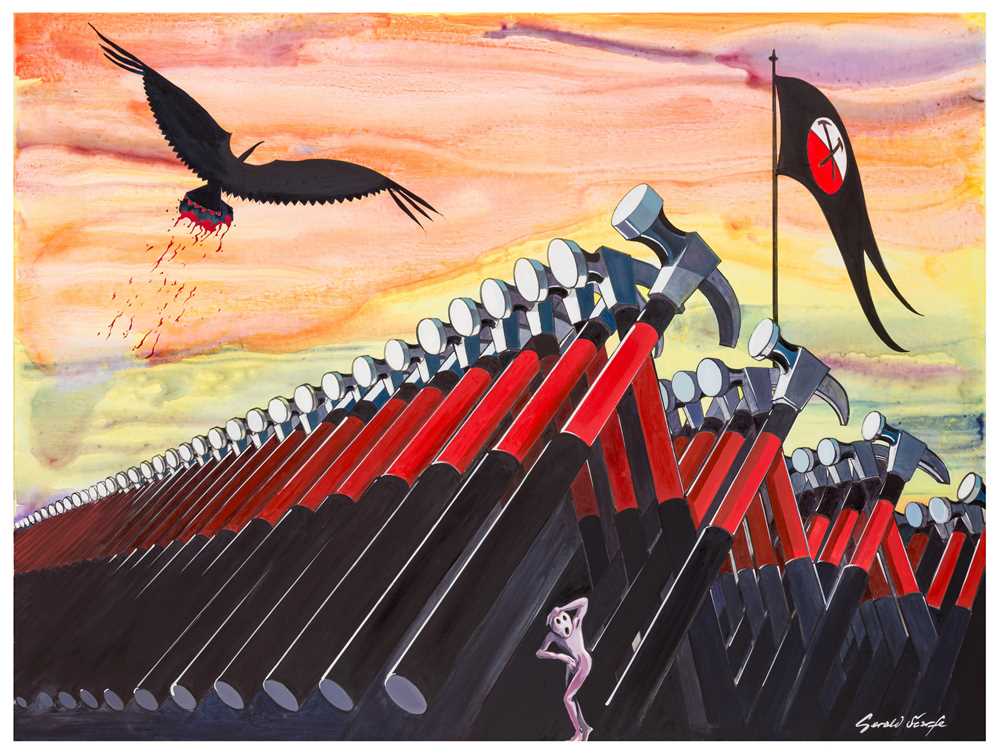
Another Brick In The Wall, Part 2 was a big hit when I was getting ready for my final year at school. At the time, most Pink Floyd albums could be acquired second-hand and for very little money. The reason being that by 1980 many hippies living in my corner of suburban West London (just down the road from where Rick Wright grew up) had discovered punk rock, cut their hair, and flogged their old records. In August 1980 I trekked down to London's Earls Court Arena with some schoolfriends to watch Pink Floyd perform The Wall. We had the cheapest and quite possibly, the worst seats in the house. Pretty soon, I was messing up some of my exams because I was spending too much time listening to my collection of second-hand Pink Floyd albums.


As shot for an article in Q magazine

My Floyd experiences seemed to become progressively worse as the decade wore on. In the early 1980s, I attended many parties held by people I barely knew; it was always "a friend of a friend of a...". The winding-down process of these soirees would follow a similar pattern. As bodies began to appear strewn around the floor, some inert, some tentatively dry humping, a biker - and it was always a biker - would appear holding a copy of Dark Side Of The Moon like a doting parent carrying their kid's birthday cake. I seemed to be surrounded by bikers in the early '80s. Lovely blokes, but they always had nicknames like Skull, and all looked identical: spidery moustache, dried engine oil quarter-inch thick on the Levis, and all had bits of Triumph Bonneville scattered around their kitchens. On would go Dark Side Of The Moon, the cover laid flat on Skull's lap as he rolled an enormous joint between appreciative nods at the music, man... This was always the cue to leave. Ideally before the sound of alarm clocks at the beginning of the song Time shook everyone out of their stoned haze or interrupted them mid-hump.


The Kodak factory where Rick Wright once worked

One evening, when I wasn't at one of these parties, a couple of friends and I took LSD (don't try this at home, kids, do it in someone else's) and listened to The Piper At The Gates Of Dawn as a tribute to fellow astral traveller Syd Barrett. Unfortunately, the music seemed more jumbled and terrifying than ever. Feeling thoroughly weirded-out, we ended up in the back garden, watching what we believed to be Mars and Venus ping-ponging backwards and forwards in the night sky over the roof of the neighbouring Kodak factory (the same factory one in which the young Rick Wright once had a job as a messenger boy).

My Pink Floyd experience finally became life threatening at the end of the '80s, when I took a road trip through America. My travelling companions were a disparate bunch. One was an ex-army private from New Zealand who played The Beach Boys' Greatest Hits endlessly; the other a competitive cyclist from the English Home Counties, whose listening pleasure was The Beastie Boys' Licensed To Ill. What seemed at first like a great adventure - delivering a Buick from New Jersey to California - quickly palled. Tempers frayed as myself and my two companions grew sick of each other and our clashing tastes in music. On a night-drive through Idaho, I threw caution to the wind and slipped a cassette of the Floyd's Meddle album into the deck. It had an immediately calming effect, causing the bickering to subside, and for my companions to nod off. I did the same. Unfortunately, I was driving at the time, coming round just as the Buick veered into a hedge. When I clambered out, I saw a cow staring balefully at me in the darkness. Very Atom Heart Mother.

The 1990s wasn't a better time to be a Pink Floyd fan, but by then I was getting paid to write about music. The editor of a long deceased magazine sent me to London's Chelsea Harbour Hotel to interview Roger Waters. Over the coming years, I'd go on to do the rest of his erstwhile bandmates. Real people with proper jobs only ever have one question when they find out what you do for a living: What was - insert name of famous rock star here - really like? So here goes...


Syd Barrett & Lindsay Corner

Roger Waters was a great interviewee, because he seemed to genuinely care about the music, and was utterly convinced he was right in his struggle to own the Pink Floyd name, even though everybody else thought he was wrong. Years later, when I spoke to him on the phone again, he seemed more guarded but no less irascible.

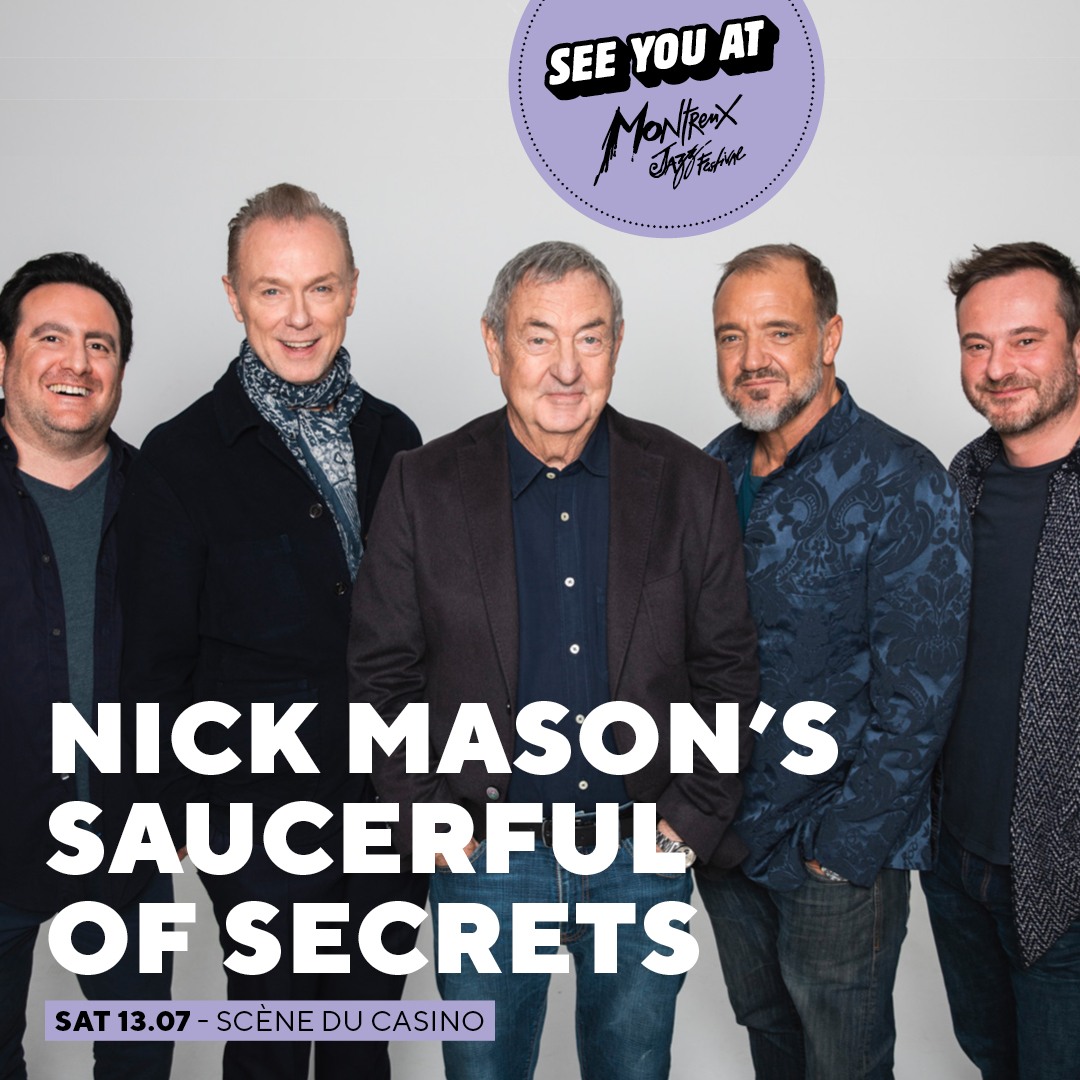
Nick Mason was the yin to Waters' yang. I first met him at the office/warehouse of his company Ten Tenths, and being struck by how unlike a rock star he looked, and how much more like the architect he nearly became. Mason saw off awkward questions with a joke or gentle deflection. In 2004, we spoke again, just as his own book was about to come out, and he uttered the immortal words: "It would be fantastic if we could do it for something like another Live Aid".

Rick Wright was jittery and had a rather haunted look in his eyes. He seemed frustrated by The Division Bell and rather disgruntled that Pink Floyd weren't planning to do anything else at the time (this was in 1996). I was interviewing him for Mojo magazine, which had just run an article claiming that Syd Barrett was now going blind. Rick was very concerned about this revelation. I suspected it might have been bollocks, but didn't say anything. I liked Rick, and while writing the book came to truly appreciate just how much he contributed to Pink Floyd's sound. Storm Thorgerson kindly attempted to broker an interview with him, on my behalf, for the book. But, for whatever reason, it never happened.

David Gilmour was the last Floyd I encountered: first backstage in Paris, then in a photographic studio where he was having his picture taken for Q magazine. I recall he looked incredibly ill at ease, until he put on the Fender Strat (serial no: 001) and his body language changed in an instant. Gilmour was fine, but interviewing him, you came away with the impression that he had seen it all, heard it all, and been bored to tears by most of it. He was, and clearly still is, having a great time making his own music and not Pink Floyd's.

I was approached to write a book about Pink Floyd because of Live 8. In contrast to the '80s and '90s, in 2005, everyone seemed to be Floyd fan. As it didn't involve any more bikers' parties, taking LSD or crashing a car, I decided to give it a go... When it came to tracking down people, some I'd interviewed before, such as producer Bob Ezrin and Floyd's old guitarist Bob 'Rado' Klose. Meanwhile, producers John Leckie and Alan Parsons (a man who must have been sick to the back teeth of being asked about Dark Side Of The Moon, yet again) were easy to find. Others, such as Rick Wright's mid-'80s musical partner Dave Harris proved more elusive. Blindly e-mailing various people on the Midlands music circuit somehow led me to Dave, who was a charming, witty raconteur, delighted to recall his experiences working with Rick at his home studio, The Old Rectory, or as Dave called it, "The Old Rectum".

Discovering the whereabouts of some of the Floyd's Cambridge peer group saw me turn hapless private detective. While trying to find one of their ex-schoolfriends, I mistakenly e-mailed a restaurateur in Dublin, who revealed that, while he didn't mind a bit of Pink Floyd he hadn't a clue what I was talking about. Finding one, though, usually led to another. John Davies (aka "John The Vet"), who posted a fantastic memoir about life in '60s-era Cambridge on this website, put me in touch with Syd Barrett and David Gilmour's old mate Iain "Emo" Moore; a court-jester figure who had scrounged a comfortable living in the '70s and '80s helping look after Gilmour and his first wife Ginger's various mansions. Several of the Cambridge crowd had told me, "You must find Emo", but only John seemed able to contact him on my behalf.

A week later, I was interviewing Emo sat on the seafront at Hove, where, alarmingly, we ended up swigging from a bottle of wine, like a pair of tramps. Back at his tiny flat, he sifted through carrier bags filled with mementoes from the '60s and '70s. Alongside faded pictures of Barrett and Gilmour, were others: of Indian gurus, numerous incredibly beautiful girls, Dame Helen Mirren (long before she became a dame) and Emo himself on various foreign beaches, sometimes disconcertingly naked.

Some interviewees bristled at my more intrusive questions ("Are you fucking mad, Mark?"), some, I suspect, were further away from the real story than they liked to make out, others much closer. One or two hinted at fabulous anecdotes I couldn't possibly put in print (one involved the late Reggie Kray). There were, of course, others who turned down my requests to talk: an ex-wife, an old tour manager, an actor/male model who once shared a flat with Syd Barrett... Some never replied. Many more, I suspect, were too polite to tell me to piss off and agreed to a chat just to get me out of their hair.

There were others, including some of Syd Barrett's ex-girlfriends, whom I couldn't find; not least the fabled Iggy, whose bare arse appeared on the cover of The Madcap Laughs. In these instances, the letters were returned from an overseas address, or the telephone number I'd been given was no longer working. I soon learned that the women were harder to find, as marriage and divorce plays havoc with the names on the electoral register, and nobody could even remember Iggy's surname, or, indeed her real first name. Or they weren't telling. Nevertheless, one old female associate of Syd's finally came out of nowhere and agreed to talk. Oddly, the mention of her name in my enquiring e-mails to other male associates of the band proved helpful. Some, I'm sure, talked only to find out what had happened to their old drug buddies and occasional bed partners...

Researching the book, I swiftly became bored of reading elsewhere about how aloof, detached and middle-class Pink Floyd were. I found the individual band members' stories and backgrounds fascinating, and still maintain that there's a lot of emotion struggling to break out of music that can sometimes appear aloof, detached and middle-class. Did I tire of listening to the music? I expected to, but didn't. And while I'm unlikely to stick on sides three and four of Ummagumma as an aid to relaxation, there were plenty of songs and even whole albums I rediscovered: Summer '68 off Atom Heart Mother, Sorrow from A Momentary Lapse Of Reason, most of Obscured By Clouds, bits of The Final Cut, Roger Waters' Radio K.A.O.S. (OK, maybe not that last one).

I asked many of my interviewees whether they thought Pink Floyd should reunite with Waters and make another album. Most just laughed ("David is... how shall I put this... comfortably numb," was one retort), even more told me "Off the record, it'll never happen". While another Pink Floyd tour and album might help me sell some more books, I, too suspect it will never happen, and rather hope it doesn't. While it's easier to be a Pink Floyd fan in 2007 than it was in the '80s or '90s, perhaps it really is time to move on.

Mark Blake www.markrblake.com

Pigs Might Fly - The Inside Story Of Pink Floyd

Pigs Might Fly is the first full-length biography of Pink Floyd for over 15 years. Author Mark Blake has previously interviewed David Gilmour, Roger Waters, Richard Wright and Nick Mason, and conducted almost 100 new interviews with ex-band members, producers, schoolmates, girlfriends, roadies, flatmates, managers, friends, foes and more...

Bringing together these eyewitness accounts and memories, this 418-page book traces Pink Floyd's story from their roots in Cambridge to global stardom with The Dark Side Of The Moon and their bitter break-up in the 1980s; from their historic reunion at Live 8 to the untimely death of founder member Syd Barrett in 2006, and beyond.

As meticulous, exacting & ambitious as any Pink Floyd album, Pigs Might Fly is the definitive account of this most adventurous and, at the same time, most English of rock bands. Order Now US | UK


Home | Forum | Orphans | Interviews | Site Awards
Other Exhibits | Early Memories | Concert Pictures | Tour Book Project | Odds & Sods & Links

Best viewed in 1024 x 768 ~ Designed with IE in mind ~ Flash Required